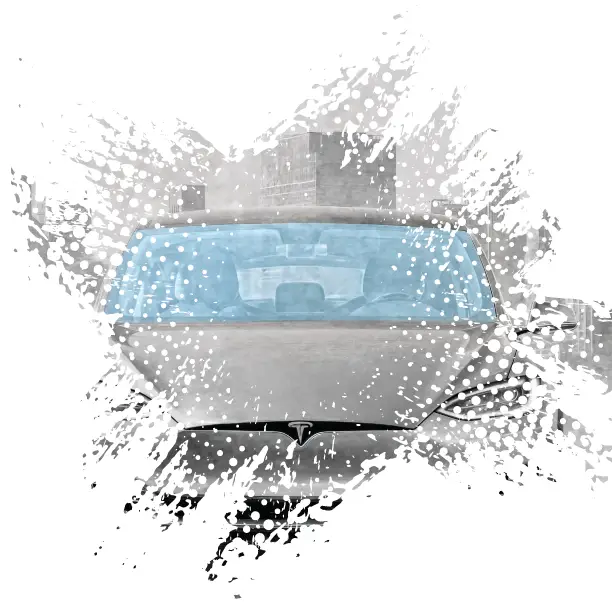

Most windshield replacements look complete. The glass is installed, the fit looks right, and the vehicle is ready to leave the shop.
But modern vehicles are no longer defined by glass alone.
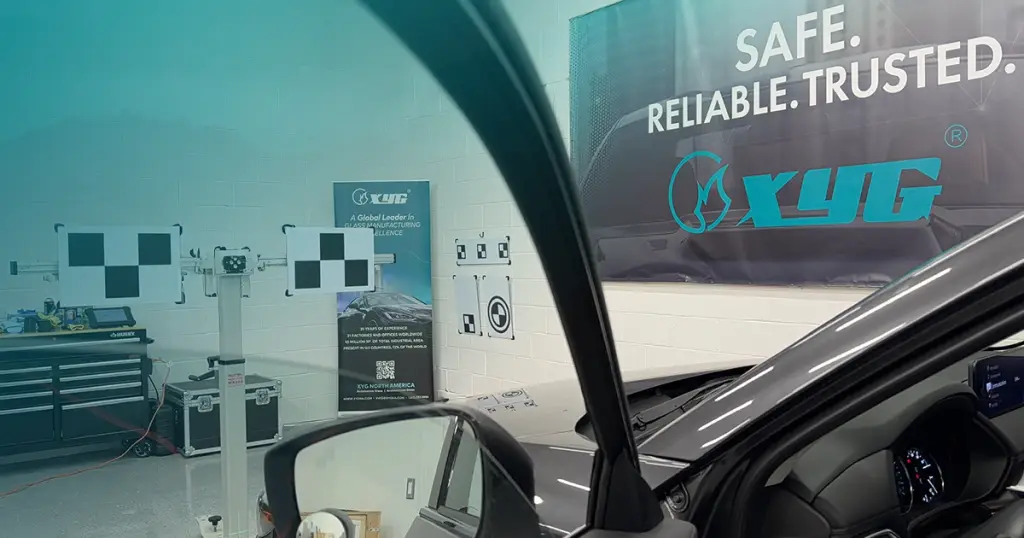
Today’s vehicles rely on Advanced Driver Assistance Systems, or ADAS, to support driver awareness and safety. Cameras and sensors mounted directly to the windshield help power features such as lane keeping assistance, forward collision warning, and automatic emergency braking. Even a slight shift during replacement can affect how those systems interpret the road.
That shift creates one requirement. Recalibration.
For the modern auto glass industry, recalibration is no longer an additional step at the end of a replacement. It has become part of the standard itself.
Precision Now Shapes the Repair Process
ADAS systems operate in real time. They continuously read lane markings, measure distance, and monitor surrounding traffic to support split-second safety decisions. Because of that, camera alignment matters more than many drivers realize.
Even a small misalignment can affect how the system responds at higher speeds. The system may still appear active, but that does not guarantee it is performing the way it was designed to.
The Auto Glass Safety Council (AGSC) emphasizes that proper recalibration is required to ensure windshield-mounted ADAS systems function as intended.
That distinction matters across the entire repair process. Recalibration confirms that the system continues to operate within manufacturer expectations after installation. It also requires technicians to follow proper procedures, use the correct setup, and maintain consistency throughout the repair.
This is also changing how the industry defines a complete windshield replacement. Installation quality still matters, but now system accuracy matters just as much.
When Recalibration Becomes Necessary

Most forward-facing ADAS cameras are mounted directly on or behind the windshield, which makes windshield replacement one of the most common recalibration triggers. When the glass is removed and reinstalled, even with a correct fit, the camera’s position can shift enough to affect system performance.
The Independent Glass Association (IGA) identifies windshield replacement as a leading trigger for ADAS recalibration.
However, recalibration is not limited to glass replacement alone. Any change that affects the system’s position or reference point can require recalibration to maintain accuracy.
Common scenarios include:
- Windshield replacement
- Collision repairs that shift sensor position
- Suspension or ride height adjustments
- Wheel alignments
- Camera or sensor replacements
At XYG North America, this is something we consider when supporting customers with ADAS-compatible glass, knowing that proper fit and consistency play a role in the overall recalibration process.
In practice, the rule is straightforward. If the system moves, recalibrate it.
What Happens When Recalibration Is Skipped

ADAS systems may remain active after a repair, even if recalibration is not performed. However, active does not always mean accurate.
Without recalibration, systems may respond based on incorrect positioning, which can affect how they interpret real-world conditions.
This can lead to:
- Incorrect lane detection
- Delayed braking alerts
- Missed hazard recognition
From a technical standpoint, the system no longer aligns with manufacturer specifications. From a customer standpoint, the experience becomes inconsistent and unreliable.
Skipping recalibration also increases business risk. It can lead to repeat visits, customer concerns, and potential liability. As ADAS adoption continues to grow across North America, repair expectations continue to rise alongside it.
GlassBytes (2026) reports that rising recalibration demand, along with labor challenges and cost pressures, continues to reshape the auto glass industry. What was once treated as a specialized service is now becoming part of the standard workflow across the industry. Shops are adapting to higher calibration volume, evolving workflow across the industry. Shops are adapting to higher calibration volume, evolving repair procedures, and growing customer expectations in a market where precision matters more than ever.
About XYG North America
With over 37 years of expertise, XYG is a global leader in glass manufacturing, offering a diverse portfolio of high-quality products. Serving customers in more than 140 countries, we operate on a robust international foundation. Supported by 16,000 employees and 14 state-of-the-art facilities across Asia, XYG delivers specialized glass solutions for a wide range of applications. We are steadfast in our commitment to safety, quality, and customer satisfaction.