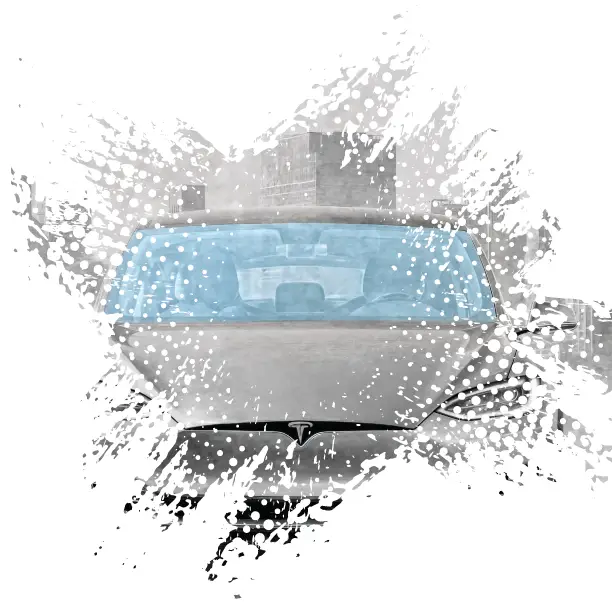

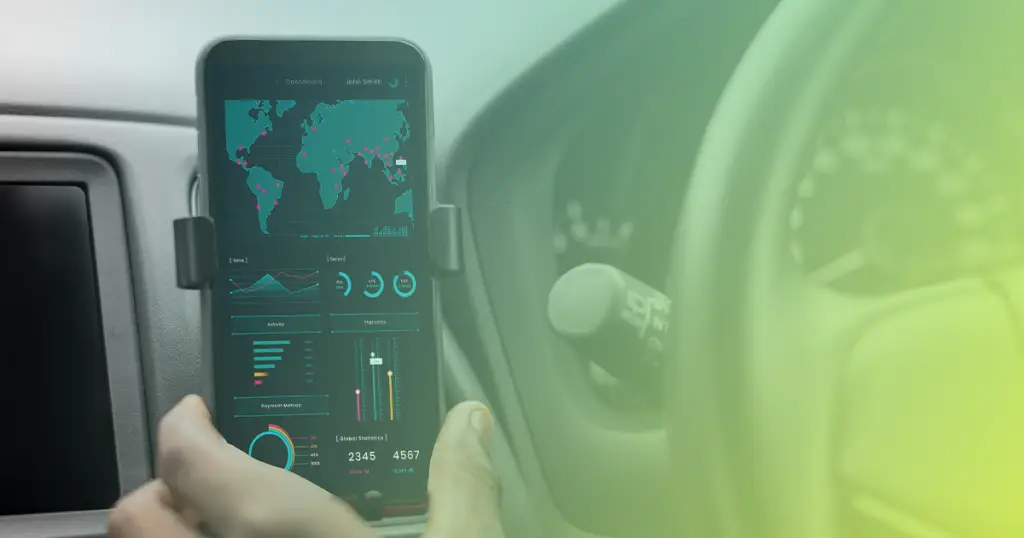
Not long ago, drivers mainly compared vehicles based on horsepower, fuel economy, or engine performance. Today, the conversation often looks very different. Screens are larger, interfaces are smarter, and modern vehicles now operate more like connected devices than traditional machines.
From wireless connectivity and voice commands to advanced driver assistance systems, technology is reshaping the driving experience. As vehicles continue to evolve, one component is quietly becoming more important than many drivers realize: the windshield.
Vehicles Are Becoming Digital Experiences
Modern vehicles are no longer designed around transportation alone. Increasingly, they are being built around interaction, convenience, and connectivity. Drivers now expect features that feel familiar to their everyday digital lives, including smartphone integration, navigation assistance, touch interfaces, and personalized driving settings.
This shift is especially visible in newer electric vehicles and technology focused models, where dashboards are becoming cleaner and software is becoming a larger part of the overall experience. According to The Verge’s coverage of BMW’s latest panoramic display system, manufacturers are actively exploring windshield wide displays that place information directly within the driver’s field of vision.
As a result, vehicles increasingly feel less mechanical and more connected, similar to the digital devices people use every day. That evolution is also influencing how automotive glass continues to develop alongside the rest of the vehicle.
The Windshield Is No Longer Just Glass
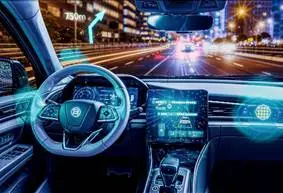

For years, windshields were viewed mainly as protective barriers against weather, debris, and changing road conditions. Today, however, they support a growing number of technologies that contribute to both safety and driver experience.
Many modern windshields now work alongside:
- Head-up display (HUD) systems
- Forward facing ADAS cameras
- Rain and light sensors
- Lane departure warning systems
- Acoustic layers designed to reduce cabin noise
This evolution reflects a larger shift happening across the automotive industry. Windshields are no longer passive components. Instead, they are becoming integrated parts of the vehicle’s overall technology ecosystem.
As automotive technology continues to advance, manufacturers and suppliers across the industry are adapting alongside it. At XYG North America, the growing integration of ADAS compatibility, optical clarity, and modern windshield applications continues to reflect how quickly the industry is evolving.
Visibility and Technology Now Work Together
As advanced driver assistance systems continue to expand across the automotive industry, visibility and technology are becoming more connected than ever before. Features such as lane keeping assistance, adaptive cruise control, and automatic emergency braking often rely on cameras and sensors mounted near the windshield.
That integration places greater importance on windshield positioning, compatibility, and recalibration during replacement and installation processes.
At the same time, automotive manufacturers are exploring how windshield based technology can improve the overall driving experience while keeping drivers focused on the road. According to a University of Toronto study on digital windshield messaging, researchers continue to study how projected information inside the driver’s line of sight affects visibility, attention, and distraction.
As vehicle technology evolves, the relationship between safety, visibility, and driver interaction continues to grow stronger. Across the industry, this shift is also influencing how modern automotive glass solutions are designed, manufactured, and integrated into newer vehicle platforms.
The Future of Driving Is Already Taking Shape
Automotive innovation continues to move toward more connected and immersive driving experiences. Concepts involving augmented reality displays, artificial intelligence assisted navigation, and integrated windshield interfaces are already being explored throughout the industry.
At the same time, vehicle interiors are becoming increasingly minimal and digitally centered. According to Car and Driver’s look at future vehicle interiors, automotive design is steadily shifting toward cleaner cabins that prioritize interaction, visibility, and user experience.
This transformation highlights how modern windshields are evolving alongside the rest of the vehicle. What was once viewed simply as glass is now becoming part of a broader connected driving environment.
As the industry continues moving toward smarter mobility and connected driving experiences, automotive glass will continue playing an increasingly important role behind the scenes. From visibility and safety to digital integration, the windshield is becoming part of how drivers experience the modern vehicle itself.
About XYG North America
With over 37 years of expertise, XYG is a global leader in glass manufacturing, offering a diverse portfolio of high-quality products. Serving customers in more than 140 countries, we operate on a robust international foundation. Supported by 16,000 employees and 14 state-of-the-art facilities across Asia, XYG delivers specialized glass solutions for a wide range of applications. We are steadfast in our commitment to safety, quality, and customer satisfaction.