


How longer vehicle lifecycles are reshaping glass supply and repair trends
Used cars are driving aftermarket demand in 2026, and this time, it is not just a phase. What used to be a budget decision has evolved into a smarter long term strategy. Today, buyers are no longer rushing to upgrade. Instead, they are thinking ahead, holding onto vehicles longer, and maximizing what they already have. According to insights from The Globe and Mail, consumers are becoming more intentional with how they buy, placing more weight on value, timing, and total ownership cost.
Because of this, the impact goes beyond the purchase itself. It extends across the entire lifecycle of the vehicle. As ownership periods increase, the focus naturally shifts from replacement to maintenance. This is where the aftermarket begins to take on a more central role in the industry.
Used Cars Are Staying Longer
The shift is simple. Cars are staying on the road longer, and the data supports it. New vehicle prices remain elevated, and inventory constraints continue to influence availability. As a result, more buyers are turning to used vehicles and keeping them for extended periods. Coverage from Detroit News highlights how affordability pressures are sustaining demand in the used segment, while search trends reported by Yahoo Autos show increasing interest in older trucks, SUVs, and hybrid models.
At the same time, one key indicator of this shift is the average vehicle age in North America, which has now surpassed 12 years and continues to rise. In practical terms, vehicles are not cycling out as quickly as they once did. Instead, they are being maintained, repaired, and pushed further, creating a longer and more active lifecycle.
The Data Behind Aftermarket Demand
As vehicles stay on the road longer, aftermarket demand becomes more stable and predictable. In other words, longer lifecycles mean that maintenance is no longer occasional. Rather, it becomes part of a consistent cycle that supports aging vehicles over time. Because of this, the need for replacement parts, including automotive glass, continues to grow.
| Factor | Data Point | Impact on Aftermarket |
| Average vehicle age | 12+ years | More frequent maintenance and replacements |
| New vehicle average price | ~$45,000+ | Drives buyers toward used vehicles |
| Used vehicle demand | Remains high in 2026 | Sustains long-term repair cycles |
| Windshield replacement share | ~60% of auto glass market | High volume, recurring demand |
| ADAS-equipped vehicles | Increasing year over year | More complex replacements and recalibration needs |
Taken together, these factors show a clear pattern. As more used cars remain in circulation, aftermarket demand continues to grow in a steady and sustained way.
Why Glass Is Always in the Conversation
Among all vehicle components, windshields are one of the most consistently affected over time. Over time, daily exposure to road debris, temperature fluctuations, and extended mileage increases the likelihood of chips and cracks. As vehicles age, this wear becomes unavoidable.
At the same time, modern windshields have become more advanced. With ADAS features integrated into many vehicles, even minor damage can require full replacement and recalibration. As a result, this adds both frequency and complexity to the replacement process. Because of this, used cars aftermarket demand is closely tied to glass supply and service capabilities.
Supply Has to Keep Up
As demand becomes more consistent, expectations across the supply chain continue to rise. Repair shops and distributors are no longer just looking for products. They are prioritizing reliability, speed, and consistency in how those products are delivered.
To stay competitive, businesses must ensure access to the right SKUs, maintain predictable lead times, and provide responsive support. Ultimately, when vehicles stay on the road longer, delays are no longer minor inconveniences. They directly impact operations and customer satisfaction.
Where XYG North America Fits
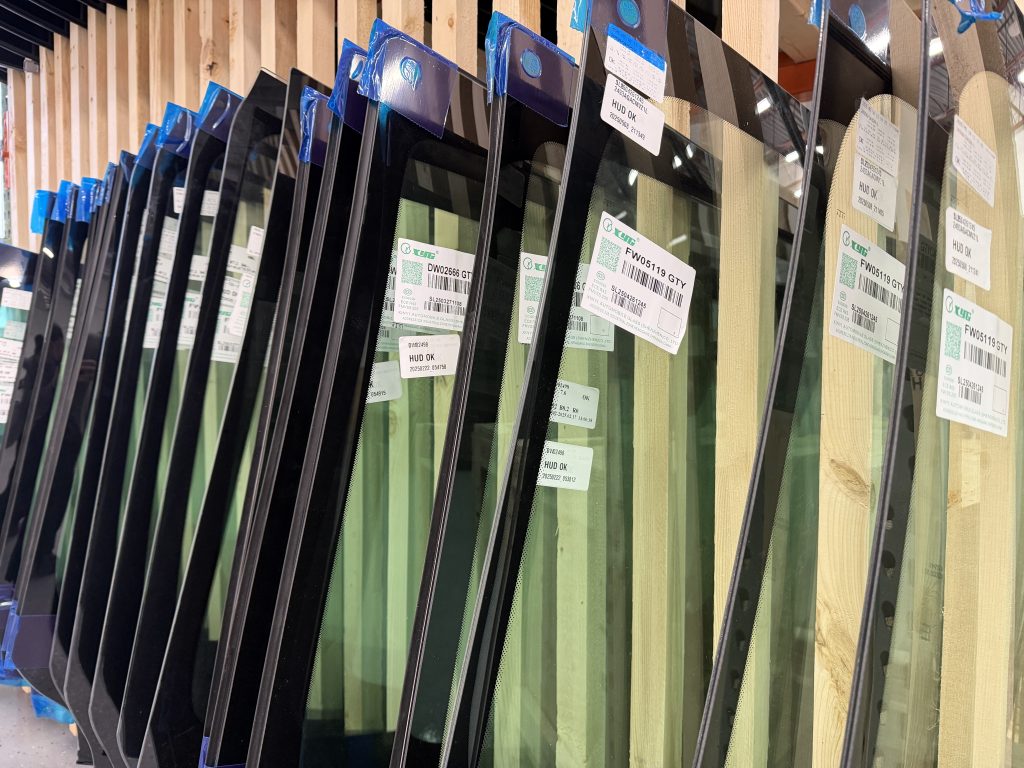
In this environment, supply becomes a key differentiator. XYG North America supports partners through a global manufacturing network, offering a wide range of automotive glass products backed by strong logistics and availability. In practice, this approach helps businesses stay aligned with steady demand and maintain operational efficiency.
As used cars continue to drive aftermarket demand, consistency in supply is no longer optional. Rather, it becomes essential to keeping vehicles on the road and businesses running smoothly.
Looking Ahead
Used cars are not slowing down. In fact, they are becoming a defining part of the automotive landscape. More vehicles on the road means more maintenance, more replacements, and greater reliance on a supply chain that can keep up.
The shift is clear. The focus is no longer on replacing vehicles quickly. Instead, it is on keeping them running longer, and supporting everything that comes with that.
About XYG North America
With over 37 years of expertise, XYG is a global leader in glass manufacturing, offering a diverse portfolio of high-quality products. Serving customers in more than 140 countries, we operate on a robust international foundation. Supported by 16,000 employees and 14 state-of-the-art facilities across Asia, XYG delivers specialized glass solutions for a wide range of applications. We are steadfast in our commitment to safety, quality, and customer satisfaction.