
Windshield replacement may seem like the final repair step. However, for many modern vehicles, it is only part of the process.
Vehicles equipped with windshield-mounted Advanced Driver Assistance Systems (ADAS) cameras require ADAS calibration after windshield replacement, depending on the vehicle manufacturer’s specified procedures. Calibration helps ensure the camera is properly aligned and able to support the driver-assistance systems that rely on it.
The required calibration method can vary significantly from one vehicle to another. Some vehicles require static calibration; others require dynamic calibration, and some require a combination of procedures.
Understanding these differences provides insight into modern vehicle engineering. It also highlights the growing importance of precision in automotive glass replacement.
Static vs. Dynamic ADAS Calibration
Although ADAS calibration procedures vary by vehicle, they share one objective: to ensure cameras and sensors function according to manufacturer specifications.
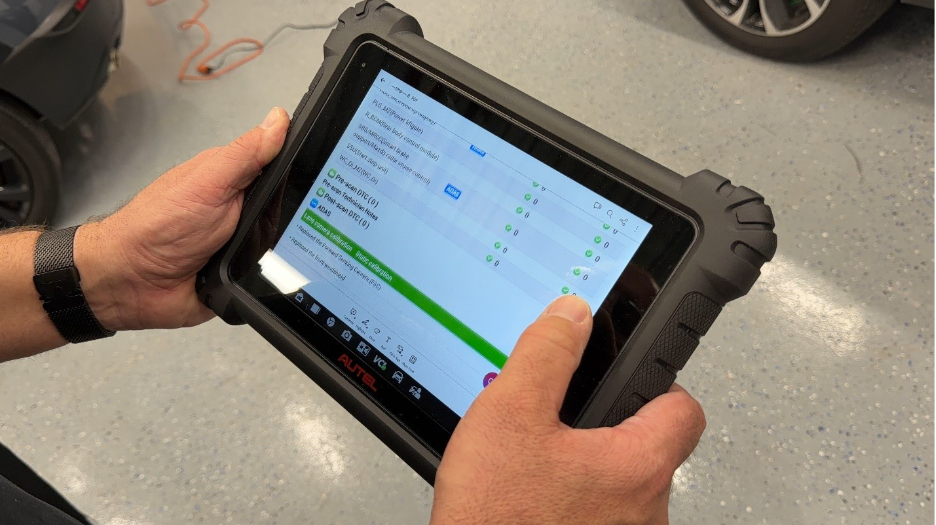
Technicians perform static calibration while the vehicle remains stationary, typically in a controlled workshop environment. Requirements vary by vehicle. The procedure may involve specialized equipment, calibration targets, precise measurements, controlled lighting, level flooring, and specific positioning.
Dynamic calibration is performed while the vehicle is driven under specified conditions. Requirements depend on the manufacturer’s procedure. These may include vehicle speed, road type, visible lane markings, weather, traffic, and other environmental conditions.
Some vehicles may require both static and dynamic procedures. Others may require additional initialization or programming steps. The OEM procedure for each vehicle determines the required calibration process, not technician preference.
I-CAR emphasizes the importance of identifying vehicle-specific calibration requirements following windshield replacement. Depending on the vehicle, replacing or removing the windshield, camera, or sensor may trigger a calibration requirement. Technicians should then verify the specific calibration procedure using the appropriate OEM repair information.
Why ADAS Calibration Procedures Vary by Vehicle
Although many vehicles offer similar driver-assistance features, the technology operating behind those features is not necessarily the same.
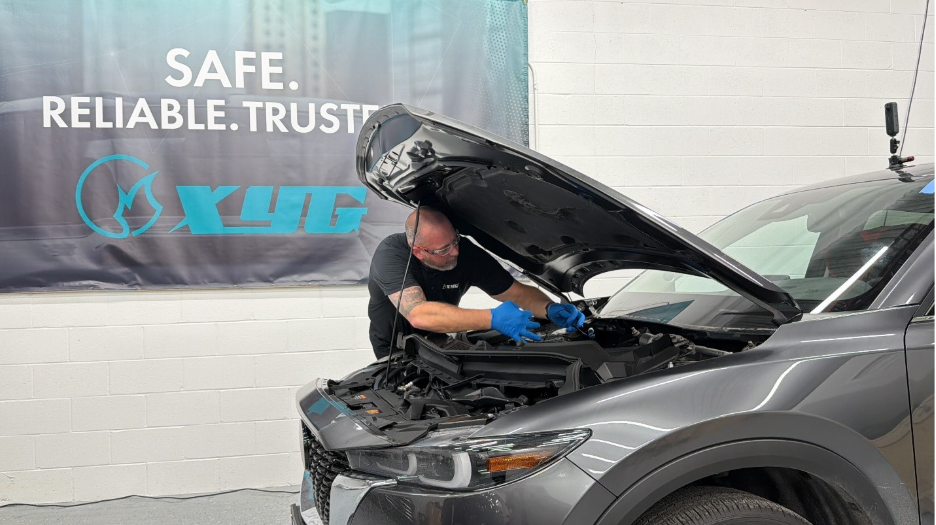
ADAS features rely on different combinations of cameras, radar sensors, software, and control modules. Examples include Automatic Emergency Braking, Lane Keeping Assist, Adaptive Cruise Control, and Traffic Sign Recognition.
As a result, calibration requirements can vary by manufacturer, model, model year, trim level, and even the specific ADAS equipment installed on the vehicle.
Two vehicles may offer similar driver-assistance features while requiring entirely different calibration procedures. This is why identifying and following the correct OEM procedure is an important part of the repair process.
As explained by Tomorrow’s Technician, OEM repair procedures determine ADAS calibration requirements rather than individual preference. Depending on the vehicle, OEM procedures may specify static calibration, dynamic calibration, or both. These methods help ensure proper camera and sensor performance.
Why Windshield Quality Matters for ADAS Calibration
ADAS calibration does not begin when a technician positions a calibration target or starts a road test. For vehicles equipped with windshield-mounted cameras, the windshield itself is an important part of the system’s operating environment.
A forward-facing ADAS camera views the road through the windshield, making the glass part of the camera’s optical path. Several factors influence camera performance. These include windshield curvature, optical quality, dimensional accuracy, camera bracket positioning, and proper installation.
This relationship between automotive glass and vehicle technology has become increasingly important as manufacturers incorporate more ADAS components into modern vehicles.
For automotive glass manufacturers, this means producing a windshield involves more than achieving the correct physical dimensions and fitment. Increasingly sophisticated vehicle platforms demand higher levels of glass quality and precision.
At XYG North America, this evolution reinforces the importance of precision in automotive glass manufacturing. Key considerations include optical performance, dimensional consistency, component positioning, and overall product quality.
The Future of ADAS and Automotive Glass
ADAS technology continues to advance as manufacturers introduce more capable cameras, sensors, software, and driver-assistance features.
There is no single calibration procedure that applies to every vehicle, and that is unlikely to change. As vehicle technology advances, the design and requirements of each vehicle platform will continue to define calibration procedures.
This reinforces an important reality for the automotive glass industry. Modern glass replacement increasingly requires an understanding of connected vehicle technologies.
Windshield manufacturing, glass installation, ADAS technology, and calibration are becoming more closely connected as vehicles continue to advance. Supporting that evolution requires precision throughout the process—from the glass itself to the procedures used after installation.
Frequently Asked Questions About ADAS Calibration
Does ADAS need to be calibrated after windshield replacement?
Vehicles equipped with windshield-mounted ADAS cameras require calibration after windshield replacement. The specific requirements depend on the vehicle manufacturer, model, model year, and ADAS configuration. Technicians should follow the applicable OEM repair procedures to determine when calibration is required, and which method should be performed.
What is the difference between static and dynamic ADAS calibration?
Static ADAS calibration uses specialized equipment and manufacturer-specified targets or procedures while the vehicle remains stationary. Dynamic calibration is performed while driving the vehicle under specified road, speed, and environmental conditions. Some vehicles require both static and dynamic calibration.
Why does windshield replacement affect ADAS cameras?
Many vehicles feature forward-facing ADAS cameras behind the windshield that view the road through the glass. The windshield forms part of the camera’s optical path. Therefore, glass quality, curvature, dimensional accuracy, bracket positioning, and proper installation are essential considerations.
Can every vehicle be calibrated using the same ADAS procedure?
No. ADAS calibration requirements can vary by manufacturer, model, model year, trim level, and installed equipment. Even vehicles with similar driver-assistance features may require different calibration methods, which is why technicians should identify and follow the correct OEM procedures for each vehicle.
Learn More About XYG Automotive Glass
As vehicle technology continues to advance, automotive glass quality and precision are more important than ever. Explore XYG North America’s automotive glass solutions and technical resources or contact our team to learn more about our products and support for today’s ADAS-equipped vehicles.
About XYG North America
With over 37 years of expertise, XYG is a global leader in glass manufacturing, offering a diverse portfolio of high-quality products. Serving customers in more than 140 countries, we operate on a robust international foundation.
Supported by 16,000 employees and 14 state-of-the-art facilities across Asia, XYG delivers specialized glass solutions for a wide range of applications. We are steadfast in our commitment to safety, quality, innovation, and customer satisfaction.